
Bugleweed Tincture vs Kelp Iodine Drops: Why They Are Different Purchases
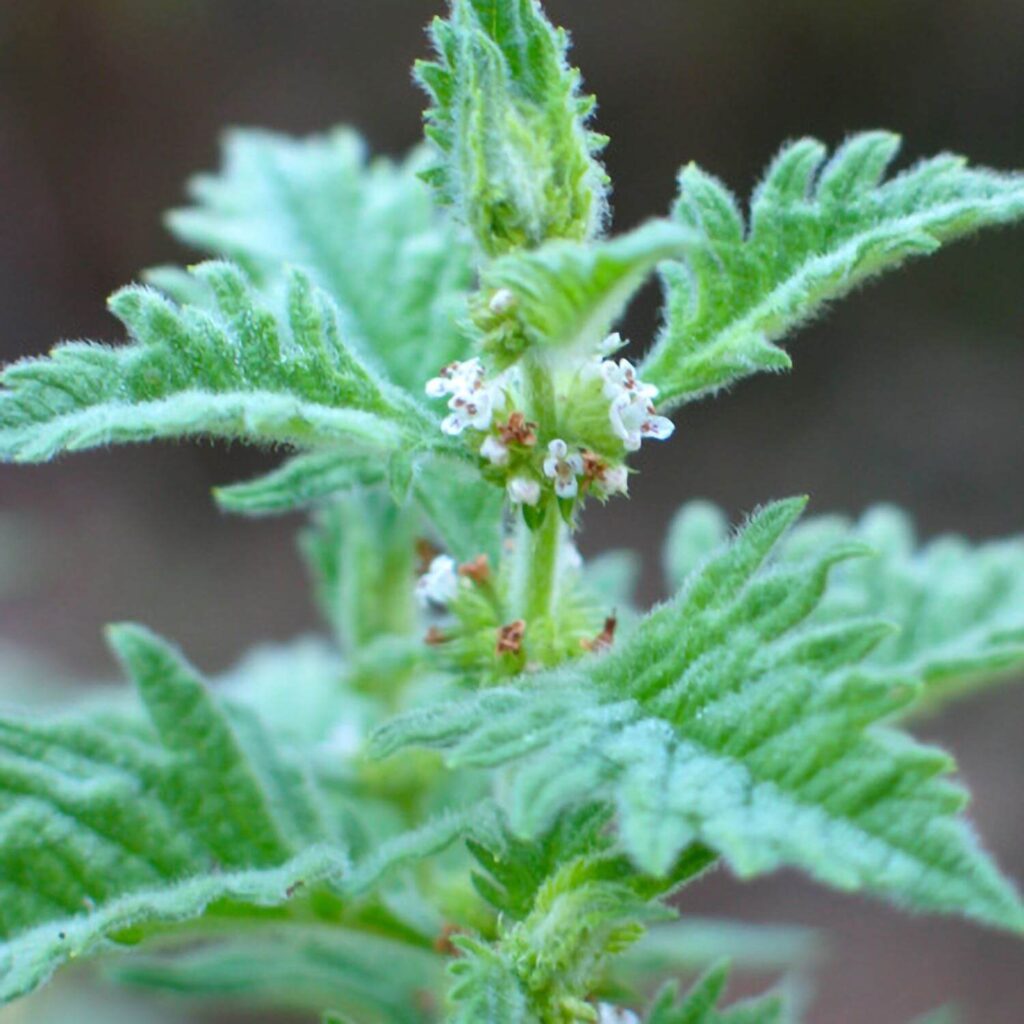
Bugleweed tincture vs kelp iodine drops may look like a choice between two liquids in the same “thyroid wellness” search results. One is marketed as a botanical extract; the other is sold as a source of the mineral iodine. That difference changes which label facts matter and which questions belong in a conversation with a clinician. HerbEra’s bugleweed listing is considered here as an example of botanical product positioning, not evidence that the tincture and iodine drops are interchangeable.
The short answer: kelp drops may add a measurable amount of iodine to a person’s total intake. A bugleweed tincture is identified by its Lycopus plant material and extraction details. Do not assume a bugleweed product contains no iodine, or that a kelp product contains a predictable amount, without checking the specific label and available testing information.
Are bugleweed tincture and kelp iodine drops substitutes?
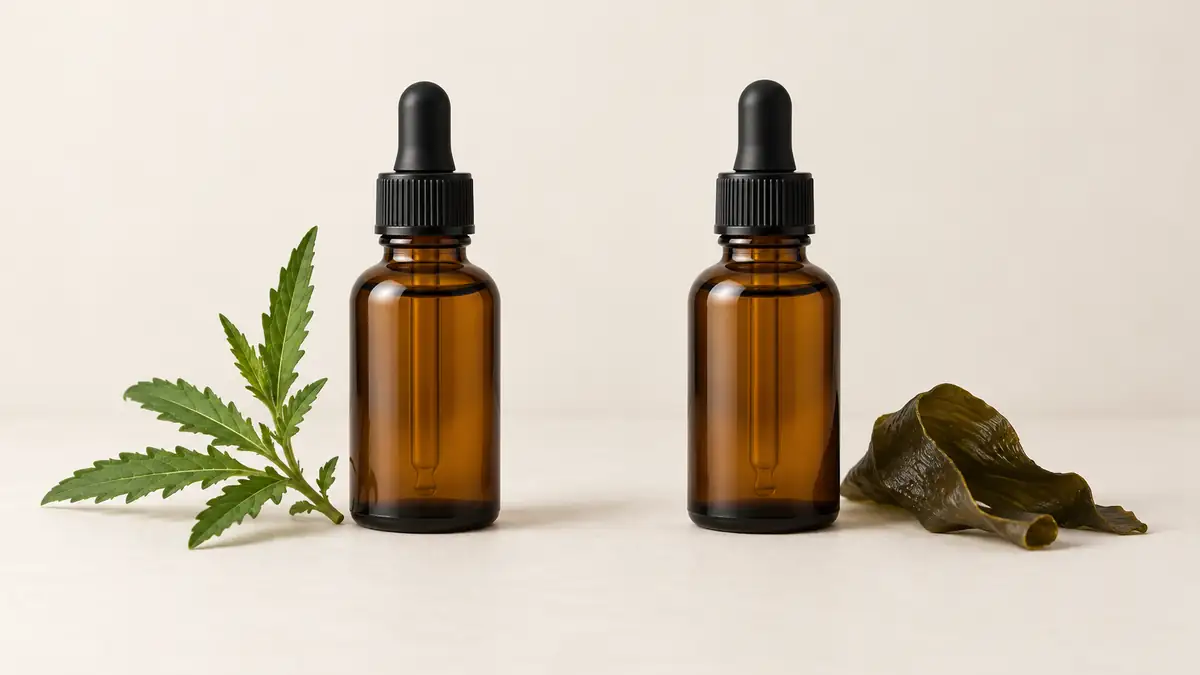
No. They describe different product types. Bugleweed is the common name used for plants in the Lycopus genus. Kelp is a broad name for certain seaweeds, and kelp iodine drops are purchased for their declared iodine content. Neither category tells a shopper what is appropriate for an individual thyroid-related concern.
| Comparison point | Bugleweed tincture | Kelp iodine drops |
|---|---|---|
| Primary identity | A liquid extract of a Lycopus plant | A liquid product containing kelp-derived iodine |
| Key label question | Which Lycopus species and plant parts were used? | How many micrograms of iodine does a stated serving provide? |
| Other formulation details | Solvent, extract ratio, serving size, and other ingredients | Seaweed identity, serving size, iodine source, and other ingredients |
| Main measurement issue | Drops alone do not establish the amount of extracted plant material | Drops alone do not establish iodine intake without a per-serving value |
| Relevant caution | Review thyroid-related history, medicines, and the product warning | Review total iodine intake, thyroid-related history, and medicines |
| What the product name does not prove | A specific effect or suitability for a particular person | That more iodine is needed or that every batch has the same iodine level |
A comparison based only on bottle size or number of drops misses the central distinction. A botanical extract label should make its plant material traceable. An iodine label should make the mineral amount clear. Both also need a complete ingredient list and warnings.
What does iodine change about the kelp side of the comparison?
Iodine changes the comparison because it is a nutrient with a measurable intake from foods, drinks, and supplements. The body uses iodine to make thyroid hormones, but that does not mean an additional iodine product belongs in every routine. Both too little and too much iodine can raise concerns.
The amount per serving
Look for iodine expressed in micrograms, usually written as mcg or µg, per stated serving. A label might define a serving in drops or milliliters. Record both numbers. A drop count without an iodine amount cannot tell you how much the product contributes.
For context, the NIH Office of Dietary Supplements lists 150 mcg as the recommended daily iodine amount for most adults and 1,100 mcg as the adult upper limit for total intake from food, beverages, and supplements. These are U.S. reference values, not a personal target or a reason to take a supplement. Needs and guidance differ by life stage and location. Some people with thyroid-related conditions may be more sensitive to excess iodine even below a general upper limit.
Other iodine sources
A kelp product is only one possible contributor. Iodized salt, seafood, dairy foods, eggs, and multivitamins can also add iodine, with amounts that vary by diet and product. Someone reading a kelp label needs to consider the wider intake picture rather than comparing the drops with a tincture alone.
Variation in seaweed products
Kelp is not a single species with one fixed iodine concentration. A study of commercially available seaweed foods and supplements found wide variation in measured iodine amounts, along with gaps or differences in some product declarations. That finding does not establish the content of any particular bottle. It does explain why a clear per-serving declaration and batch-specific testing can be useful when evaluating kelp drops.
What does the bugleweed label need to establish?
A bugleweed label needs to identify its botanical material and preparation. “Bugleweed” alone is not precise enough for a careful comparison. Lycopus is a genus containing multiple species, while a tincture’s composition also depends on the plant part and extraction process.
Species and plant part
Ask whether the label names a full species or only Lycopus spp. The latter identifies the genus but leaves the species unspecified. Above-ground parts are commonly described in botanical references for bugleweed, yet a shopper should confirm what the specific manufacturer used.
Extract and serving information
Check the solvent, extract ratio if supplied, serving size, and any stated amount of plant material or extract. Different dropper designs and liquids can produce different drop sizes. A suggested number of drops is therefore not a universal measure of botanical content.
Botanical studies do not resolve a retail-product question unless the species and preparation are sufficiently comparable. Published work on particular Lycopus extracts has limitations, and it cannot establish how every tincture relates to a person’s medical history or prescriptions.
What should you check on each label?
Check the facts that distinguish the two products before interpreting any front-label wellness phrase. For kelp, the iodine amount per serving is central. For bugleweed, precise botanical identity and extraction details come first.
On the genus-only bugleweed listing, the words Lycopus spp. prompt a reasonable follow-up about species identity. Our editorial stance on HerbEra is to evaluate that disclosure as a label detail, not to infer an exact species, an iodine level, or a health outcome that the listing does not establish.
For kelp drops, find the seaweed name if supplied, the iodine amount in mcg, and the serving volume. See whether iodine comes only from kelp or also from an added iodine compound. For either liquid, read the full ingredient list rather than assuming the product contains only the ingredient named on the front.
If a manufacturer provides a certificate of analysis, check what it actually covers. A kelp report that measures iodine addresses a different question from a botanical identity test for bugleweed. Match the report’s lot number to the product and distinguish a finished-product result from a test of an earlier raw ingredient.
Which cautions deserve a clinician’s attention?
Thyroid-related history, pregnancy or breastfeeding, and current medicines deserve attention before either product is considered. The questions differ, so one general “thyroid support” explanation is not enough. This article cannot determine a person’s iodine needs or whether a botanical product fits their circumstances.
For kelp, the key questions include current iodine intake and any advice already received about iodine. Excess iodine can affect thyroid function, and iodine supplements may interact with some medicines, including antithyroid medicines. A label amount below a general upper limit is not a blanket assurance for a person with a thyroid-related condition.
For bugleweed, the key questions include the exact Lycopus species, preparation, and the person’s thyroid-related history and medication list. Botanical references flag cautions, while high-quality human evidence for many product-specific questions remains limited. The cited product listing advises against use during pregnancy or lactation and asks people with medical conditions or medicines to consult a doctor.
Pregnancy introduces an important distinction: iodine is an essential nutrient with different intake needs during pregnancy, but that fact does not make any particular kelp product an appropriate choice. Bugleweed carries its own product warning. A qualified healthcare professional can assess the complete diet, supplement list, and medical context.
Pre-purchase checklist
Use these steps to gather facts, not to choose a regimen. Keep photographs of the complete labels so a clinician or pharmacist can review the exact products rather than relying on their common names.
Identify the product type
Confirm whether the bottle is a Lycopus botanical extract or a kelp-derived iodine supplement. Do not group them together because both mention thyroid wellness.
Read the full botanical name
For bugleweed, look for a species name. For kelp, check whether the seaweed is identified more precisely than “kelp.”
Find the iodine figure
On kelp drops, record the mcg of iodine per stated serving. Do not calculate iodine from drop count or kelp weight alone.
Check other iodine sources
Note any multivitamins or other supplements that list iodine. A clinician may also ask about relevant foods and iodized salt.
Inspect the extract details
On bugleweed tincture, look for plant part, solvent, extract ratio, and serving information. Ask the manufacturer when a detail needed for identification is missing.
Review warnings and medicines
Read both products’ cautions. Bring the full medication and supplement list to a qualified clinician or pharmacist if either purchase relates to a thyroid concern.
Verify any testing claim
Ask which ingredient or finished product was tested, for what measure, and for which lot. A general “tested” statement does not report an iodine amount or confirm a botanical species by itself.
FAQ
Is bugleweed tincture an iodine supplement?
Its defining ingredient is a Lycopus extract, not a declared iodine dose. Check the specific product’s complete label and testing information rather than assuming its iodine content.
Are kelp drops and bugleweed drops interchangeable?
No. Kelp drops may supply iodine, while bugleweed drops contain a botanical extract. They require different label checks and cautions.
Does every kelp product contain the same amount of iodine?
No. Iodine levels vary across seaweed species and products. Check the amount declared per serving and any relevant batch testing.
What does mcg mean on an iodine label?
Mcg means micrograms. It is the unit commonly used to state iodine amount per serving.
Is the adult iodine upper limit a target?
No. An upper limit is a ceiling for general intake guidance, not a recommended amount or a guarantee of suitability for every person.
What does Lycopus spp. tell a shopper?
It identifies the plant genus but not the exact species. The manufacturer can clarify which species a product contains.
Can a certificate of analysis answer every product question?
No. It reports only the tests shown for the identified sample or lot. Check whether it addresses iodine quantity, botanical identity, or another specific question.
Glossary
Bugleweed
A common name often used for plants in the Lycopus genus.
Kelp
A broad name for certain seaweeds; it does not identify one fixed iodine amount.
Iodine
A mineral the body uses to make thyroid hormones.
Microgram
A unit of mass abbreviated mcg or µg on many supplement labels.
Genus
A group of related plant species. Lycopus is a genus.
Tincture
A liquid preparation made by extracting plant material with a solvent.
Serving size
The amount of product to which a label’s ingredient figures apply.
Upper limit
A general intake ceiling above which the risk of adverse effects increases.
Certificate of analysis
A document reporting specified tests and results for an identified sample or lot.
Conclusion
Bugleweed tincture and kelp iodine drops are different purchases: one requires close attention to botanical identity, while the other requires a clear iodine amount. Neither belongs in a thyroid-related routine based on a shared wellness label alone.
Sources Used
Iodine intake, upper limits, and medication considerations – ods.od.nih.gov/factsheets/Iodine-Consumer
Seaweed iodine variability and susceptibility to excess intake – ods.od.nih.gov/factsheets/Iodine-HealthProfessional
Measured iodine content and labeling of commercial seaweed products – pmc.ncbi.nlm.nih.gov/articles/PMC8035890
Lycopus plant material, evidence limits, and cautions – scu.edu.au/analytical-research-laboratory—arl/medicinal-plant-garden/medicinal-plant-monographs/lycopus-virginicus
Bugleweed botanical wording and product warnings – herb-era.com/products/bugleweed-tincture


